Landing Page Development in Florida: What to Know
Before you book landing page development in Florida, review the Landing Page Development Cost in Florida guide and settle four things in writing: what the page is built to do, who owns the page and the data after launch, how conversions will be tracked, and what happens after the first round of results. A landing page is not a small website - it is a single-purpose conversion asset, usually attached to paid traffic, and across South Florida service markets from Miami up through Fort Lauderdale, Boca Raton, Pompano Beach, Coral Springs, and Coconut Creek, that one page often decides whether your ad budget turns into phone calls or into nothing.
- A landing page is a single-offer conversion page, not a website - one goal, one form, no competing navigation.
- Confirm ownership before you pay - the page files, the domain or subdomain, hosting access, and the analytics and call-tracking accounts should end up in your name.
- Nothing counts as working until conversion tracking is live - calls, form leads, and booked strategy calls each measured separately.
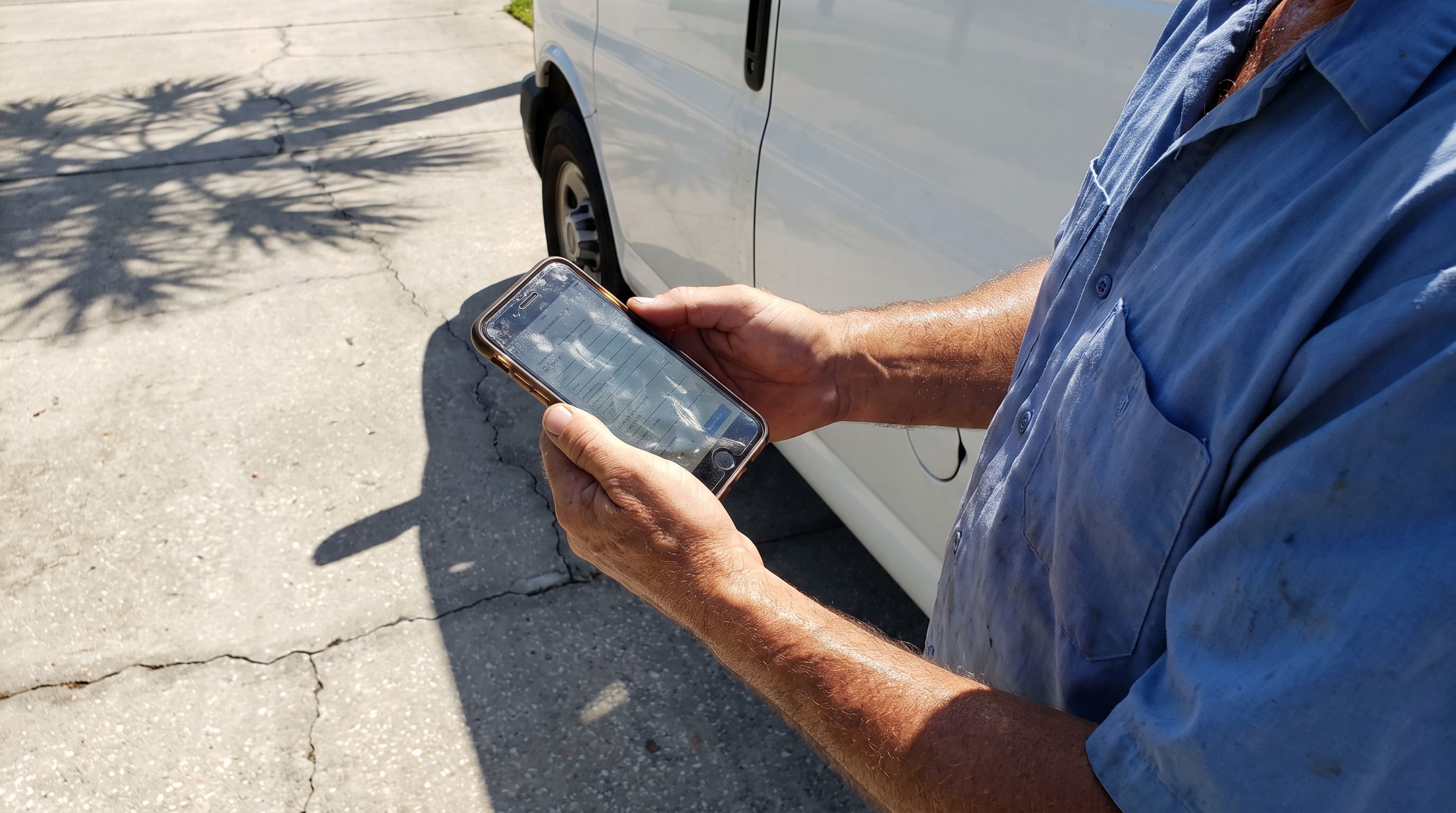
- Build mobile-first and fast: Florida service searches happen on phones, often outdoors and mid-emergency.
- Ask what happens after launch - testing and revisions matter more than launch day itself.
Landing Page or Full Website: Settle This First
A landing page exists to convert one type of visitor for one offer. It strips out the main navigation, repeats a single call to action, and gives the visitor almost nothing to do except call or submit the form. A website, by contrast, is built to be browsed - many services, a blog, an about page, internal links in every direction.
If your goal is to drive paid traffic for one service in a defined set of cities, a landing page is usually the right build. If you need a product catalog and checkout, that is eCommerce website development territory - a different project with a different timeline and a different definition of success.
What a Real Landing Page Build Includes
Scope is where most bad engagements go wrong. Ask for the deliverables as a list, and make sure these items are on it:
- Message match - the headline echoes the ad or search phrase the visitor just clicked.
- An offer and proof above the fold - what you do, where you do it, and why you are credible, visible without scrolling.
- A short form plus click-to-call - on mobile, the phone number must be a tap target, not plain text.
- Speed and mobile layout - compressed images, minimal scripts, no layout shift while the page settles.
- Service-area clarity - the cities or counties you actually cover, written as readable text, not buried in an image.
- Tracking and a thank-you page - so every submission and call is attributable.
- Form routing - where leads go, who gets notified, and what happens if the email bounces.
Who Owns the Page, the Domain, and the Tracking?
This is the single most important pre-booking question, and it is the one buyers skip. A landing page can be built on your own domain, on a subdomain, or on a platform the agency controls. All three can work - but you should know which one you are buying before the project starts.
- Domain or subdomain - registered in your name, with you on the registrar account.
- Hosting and page files - can you get an export or admin access if you part ways?
- Analytics, tag manager, and call tracking - created under your accounts, with the agency granted access.
- Google Ads account - same principle, since the historical data is the asset.
If the answer to any of these is "we handle that on our side," that is not automatically a dealbreaker. It just needs to be a documented, deliberate choice rather than something you discover a year later.
Tracking Comes Before Design
A landing page with no conversion tracking is a design opinion. With tracking, it becomes a measurable system you can improve week over week. Insist that calls, form leads, and booked strategy calls are each counted as separate conversion actions, because they are not equally valuable and averaging them hides the truth.
This matters most when the page is feeding paid search. Landing pages and Google Ads management are one loop: the campaign decides who arrives, the page decides who converts, and the tracking tells you which half needs the work. Booking page design without that loop closed is how businesses end up guessing.
Four Florida Realities That Change the Build
- Phone-first, outdoors - a large share of local service searches happen on a phone in bright sun. High contrast, big tap targets, and short forms are not aesthetic preferences here.
- Storm-season demand swings - home service demand in Florida spikes around weather events. Ask whether the page can be updated or a seasonal variant published quickly, without a developer queue.
- Multilingual audiences - in parts of South Florida a Spanish-language version of the page is worth discussing. Decide whether it is in scope before you sign, not after.
- Multi-city service areas - most Florida contractors cross city and county lines. The page should name the cities you serve in plain text so both searchers and AI-driven results can match you to the right request.
Questions to Ask Before You Sign
Bring this to the call. The answers separate a conversion build from a pretty page.
| What to ask | Why it matters |
|---|---|
| What is the one action this page is built for? | Two goals on one page usually means neither gets hit. |
| Who owns the domain, hosting, and tracking accounts? | Determines whether the asset is yours after the engagement. |
| How are calls and form leads tracked separately? | Without this you cannot tell a good page from a lucky month. |
| How is the pricing structured, and what is included? | Build, revisions, and ongoing testing are often priced differently. |
| What is the revision process after launch? | The first version is a hypothesis, not a finished product. |
After Launch: The Part Buyers Forget to Ask About
The first version of a landing page is a starting hypothesis. Real gains come from reading what visitors actually do - where they stop scrolling, which form field they abandon, which headline pulls better - and then changing one thing at a time.
Before you book, ask what the first 30 to 90 days look like. If the answer is "we deliver the page and we are done," you are buying a file, not a lead system. Testing cadence, who writes the new variants, and how results are reported should all be clear before any money moves.
Book a Strategy Call
Cyticx has been building lead-generation assets since 2005 and works with service businesses across South Florida, including Google Ads agency Fort Lauderdale clients and companies in Miami, Boca Raton, Pompano Beach, Coral Springs, and Coconut Creek. If you want a landing page scoped around calls and form leads rather than decoration, see how we work as a Google Ads agency for home service businesses and book a strategy call to walk through your offer, your service area, and your tracking setup.
Frequently Asked Questions
If you are driving paid traffic to one service in a defined service area, a single-purpose landing page usually converts better because it removes navigation and competing offers. A full website is the right choice when visitors need to browse multiple services, read a blog, or check out a product catalog. Many Florida service businesses run both - the site for organic visibility, dedicated landing pages for ad traffic.
Ask before you sign. Ideally the domain or subdomain is registered in your name, you hold the hosting or platform admin access, and analytics, tag manager, and call tracking are created under your accounts with the agency granted access. If any piece sits on the provider's side, that can still work - but it should be a documented decision rather than something you discover later.
Track calls, form leads, and booked strategy calls as separate conversion actions, then compare them against the traffic and spend sending visitors to the page. A page that gets traffic but no attributable leads is a tracking problem or a conversion problem, and you cannot tell which without measurement in place before launch.
Often yes, as long as the page clearly names the cities or counties you serve in readable text rather than inside an image. If your offer, pricing structure, or competition differs meaningfully between markets such as Miami and Coral Springs, separate pages with matched ad groups usually perform better than one page trying to speak to every area at once.
Bring your single primary offer, the service area you actually cover, the phone number and inbox that should receive leads, access to any existing domain and ad accounts, and real proof elements such as photos of your work or your licensing details. Having those ready is usually what determines whether the project moves in days or weeks.
Have a question about this? Call (954) 621-2381 or get in touch.