Google Ads for Garage Door Companies: 7 Facts
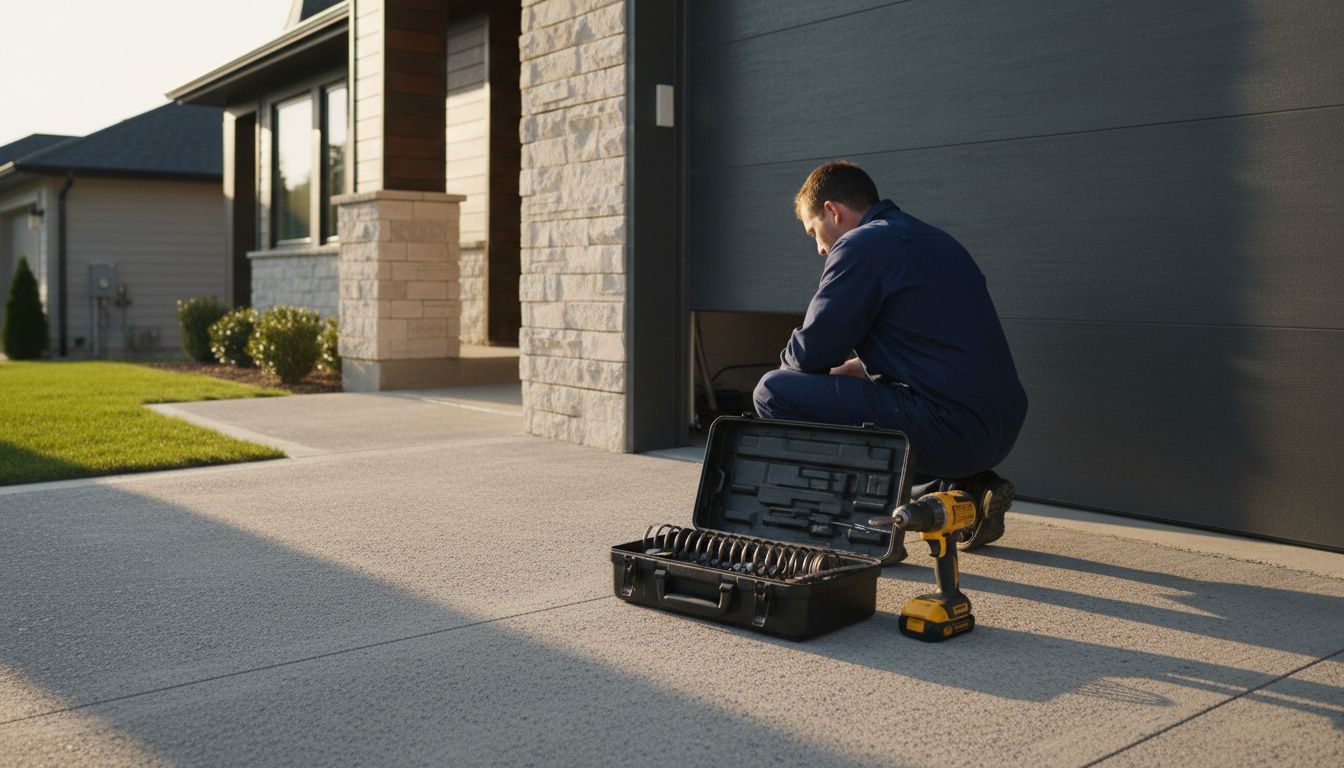
If you run a garage door company and you are thinking about Google Ads, there are seven things that decide whether the money works or disappears. Garage door demand is mostly urgent, mostly phone-driven, and mostly local - which means the rules that work for a national e-commerce brand do not apply to you. Here is what actually matters, in the order it usually costs people money.
- Most garage door searches are emergency repair, not shopping - bid and write ads for the person whose car is stuck inside.
- The lead is a phone call, so call tracking is the single most important setup step.
- Negative keywords matter more here than almost any trade - parts, DIY, and jobs searches drain budget fast.
- Separate repair and new door installation - they have different value, different buyers, and different ads.
- A slow or generic landing page wastes clicks you already paid for.
1. Most of your demand is emergency repair, not shopping
Someone searching "garage door won't close" or "garage door spring broke" is not comparing brands - they want a truck today. That means your ad copy should lead with speed and availability, not with how long you have been in business. It also means your best hours are not evenly spread: search volume spikes in the morning when people try to leave and in the evening when they get home.
Practical version: write your ads for the person standing in their driveway with a car stuck inside. Every extra sentence that is not "we can get there" is wasted space.
2. The lead is a phone call - track it or you are guessing
In garage door work, a large share of conversions never touch a form. People tap the number in the ad or on the page and talk to a human. If you only count form fills, Google's bidding is optimizing toward the smaller half of your results and your reported cost per lead looks far worse than reality.
Set up call conversion tracking for calls from ads and calls from your website, and count a call only after a minimum length (for example 60 seconds) so hang-ups and wrong numbers do not pollute the data. This is the single change that most often makes a garage door account look completely different.
3. Separate repair from new door installation
These are two different businesses inside one company. A spring repair is a same-day, few-hundred-dollar job with an urgent buyer. A new door install is a longer decision with photos, measurements, and often a spouse involved. If you mix them into one campaign, the cheap urgent clicks eat the budget and the install keywords never get a fair test.
Split them so you can set different budgets, different bids, and different ads. Install ads can talk about styles and estimates; repair ads should not.
4. Negative keywords are where most of the waste lives
Garage door searches overlap with a huge amount of traffic that will never hire you. Without a negative list, you pay for people looking for parts, remotes, manuals, and jobs. Pull your search terms report every week for the first month, then monthly.
- DIY and how-to - "how to fix", "replace spring yourself", "adjust", "reset"
- Parts and shopping - "remote", "keypad", "opener parts", "chain", "rollers for sale"
- Brands you do not carry - blocking these stops clicks you cannot serve
- Jobs and training - "technician jobs", "salary", "how to become", "certification"
- Free and cheap - "free garage door", "used", "cheapest"
- Wrong products - "garage door screen", "garage floor", "carport", "gate"
One tip that saves real money: add negatives at the account or shared-list level so they apply everywhere, instead of rebuilding the same list in every campaign.
5. Your service radius is a bidding decision, not just a map setting
Every extra mile you add to your radius adds drive time to jobs you may not want. Around South Florida, the distance between Fort Lauderdale, Miami, Boca Raton, Coral Springs, Pompano Beach, and Coconut Creek can mean an hour of traffic between two calls at the same price per click.
Set location targeting to presence (people in your area) rather than the default that includes people merely interested in it - otherwise you pay for searchers in other states. Then bid up the zip codes closest to your shop, where your response time is actually a selling point.
6. The landing page decides whether the click becomes a call
Emergency searchers are usually on a phone, often outside, sometimes frustrated. If your page takes several seconds to load or buries the phone number below a slider, you paid for a visitor who left. The page should show the phone number at the top, say what area you cover, and make the next step obvious in one tap.
Sending every ad to your homepage is the most common version of this mistake. A spring repair ad should land on a spring repair page, not a general company page where the visitor has to hunt.
7. Budget pacing matters more than budget size
A small daily budget that runs out by 11am means you are invisible for the entire afternoon and evening - including the after-work spike. It is often better to run fewer hours at full strength than all day at a level that cannot compete.
Look at when your calls actually convert into booked jobs, then concentrate spend there. Also watch weekends carefully: if you do not work Saturday or Sunday, do not pay for Saturday clicks that go to voicemail.
Putting it together
Garage door Google Ads is not complicated, but it is unforgiving. Track calls properly, split repair from installation, keep a real negative keyword list, target the area you can actually reach, and send clicks to a fast page with the phone number in plain sight. Get those five right and the account usually becomes readable - and once it is readable, it can be improved.
Cyticx has been building and managing local service campaigns since 2005, and works with garage door and home service companies across South Florida. If you want a second set of eyes on an account that is spending without a clear return, talk to us about Google Ads management - we will tell you what we see before we talk about anything else.
Frequently Asked Questions
There is no single right number, and we do not publish set pricing. The practical rule is that your daily budget should be high enough to stay live during your busiest call hours - usually morning and after work. A budget that runs out by late morning leaves you invisible for the afternoon, which costs more than it saves.
Yes. Repair is urgent, same-day, and phone-driven. Installation is a longer decision with estimates and design choices. Kept in one campaign, the urgent repair clicks usually consume the budget before the installation keywords get a real test.
Usually location targeting is set to include people interested in your area rather than only people physically present in it. Switch to presence-based targeting, then check your search terms report for city names you do not serve and add them as negative keywords.
Yes, because most garage door leads arrive as phone calls, not form fills. Without call conversion tracking, Google's bidding optimizes toward a small slice of your real results and your cost per lead looks much worse than it is.
Start with DIY and how-to searches, parts and remote shopping, job and salary searches, brands you do not carry, and unrelated products like garage floors, screens, and gates. Add them at the account or shared-list level so they apply across every campaign.
Have a question about this? Call (954) 621-2381 or get in touch.