Google Ads for Locksmiths: What to Know First
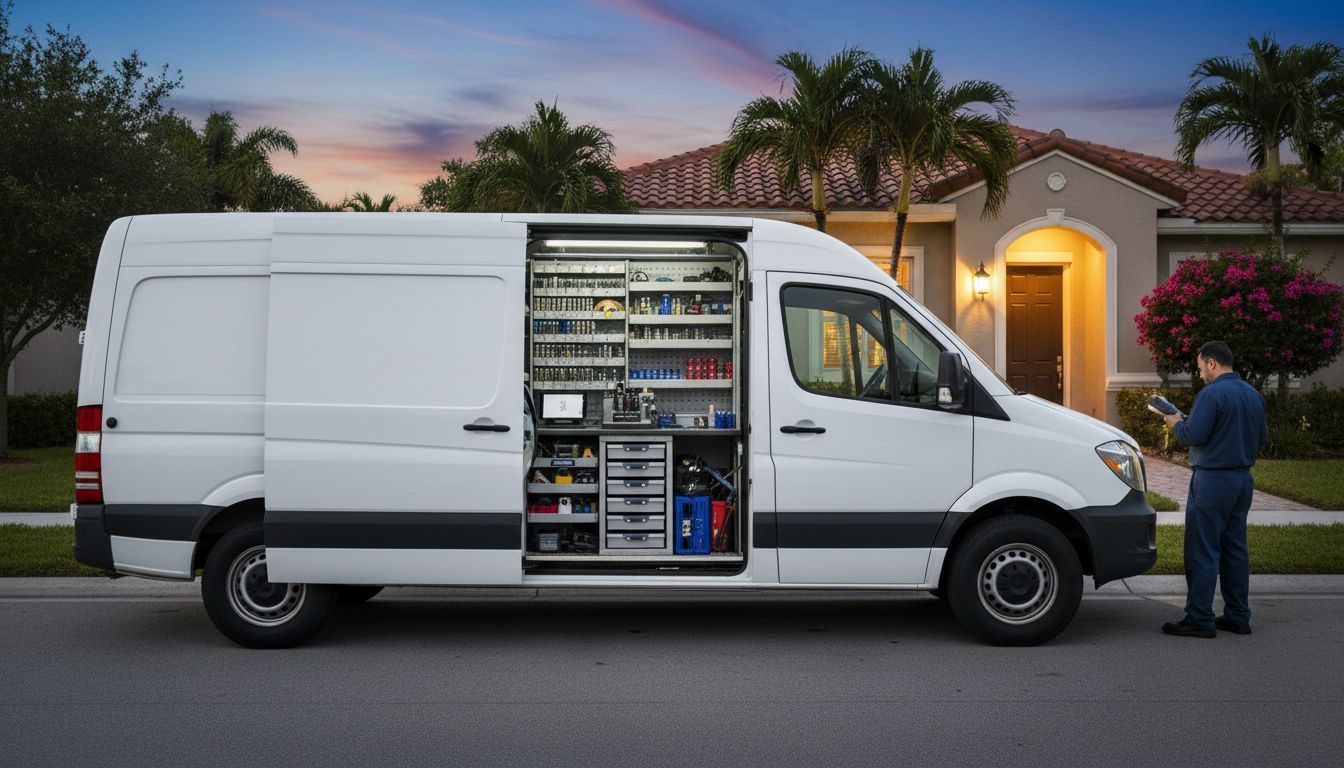
Locksmiths need to know that Google Ads for their trade is an emergency-intent channel: most valuable clicks come from people locked out right now, on a phone, who will call the first ad that answers. That means calls matter more than form fills, click fraud and non-local competitors are a real cost, and tight negative keywords plus call tracking decide whether the budget produces jobs or noise.
- Locksmith searches are mobile, urgent, and call-driven - measure calls, not clicks.
- Local Services Ads (LSA) and Search ads are different products with different verification requirements.
- Without negative keywords, budget leaks to DIY, job-seeker, and product-shopping searches.
- The locksmith category attracts lead resellers and click fraud - watch call quality, not just volume.
- A dedicated landing page with a tappable phone number converts better than a homepage.
Why locksmith advertising behaves differently
Most local trades get a mix of researchers and buyers. Locksmith search is skewed hard toward the buyer end - someone standing next to a locked car or door, deciding in under a minute.
That urgency changes every decision in the account. Ad position matters more than usual, mobile matters more than desktop, and the call is the conversion. A campaign that looks healthy on clicks and impressions can still be failing if nobody is picking up or if the calls are the wrong kind of work.
LSA and Search ads are not the same thing
Locksmiths regularly confuse the two, and they sit in different places on the results page with different rules.
- Local Services Ads (LSA) appear at the very top for eligible local service categories and require Google's screening process. Locksmiths face stricter verification here than most trades because of the category's history.
- Search ads are the standard text ads below LSA. You control keywords, ad copy, landing pages, and bidding directly.
They can run together, and often should - but they need separate expectations. LSA leads arrive through Google's own system; Search leads arrive on your phone line and your landing page, where you control the experience.
The keyword traps that drain a locksmith budget
Broad keyword settings will pull in searches that have nothing to do with hiring you. On locksmith accounts the usual offenders are predictable, which makes them easy to block before they spend money.
- DIY intent - "how to pick a lock", "unlock car door with coat hanger", "bypass door lock".
- Product shopping - people buying a smart lock, a deadbolt, or blank keys rather than hiring a technician.
- Job seekers - "locksmith training", "locksmith courses", "locksmith jobs near me".
- Free or cheap qualifiers - searches attached to a price expectation you cannot serve profitably.
- Wrong-geography spillover - calls from outside your actual drive radius, which cost the same as good ones.
A negative keyword list built from your own search terms report - not a generic template - is the single highest-return maintenance task on a locksmith account.
Track calls, or you are guessing
Because so much locksmith conversion happens on the phone, an account without call tracking cannot tell which keywords actually produce jobs. You end up optimizing toward whatever generates cheap clicks.
Practical setup for a locksmith account:
- Use call conversion tracking so a phone call counts as a conversion, not just a click.
- Separate service calls from price shoppers when you review - raw call count hides quality.
- Check calls against your actual booked jobs. Google's conversion count is a signal, not the ground truth.
Landing page: the part most locksmiths skip
Sending emergency traffic to a homepage forces a panicked person to navigate. A dedicated landing page removes that step.
What it needs is short: a headline matching the search, a tappable phone number visible without scrolling, the service area named clearly, and a short form as a backup for people who cannot talk. Everything else is optional.
Budget, fraud, and lead quality
Locksmith is a high-cost-per-click category, so a small daily budget spent badly disappears fast. Two specific pressures make it worse than the average trade.
First, click fraud and non-local lead resellers are unusually active in this vertical. Second, competitors bidding on your business name can siphon calls that were already yours. Both are visible in the data if someone is actually looking at it monthly.
Paid ads work best when the site behind them is technically sound and clearly describes the service and location, which is exactly what Google's own documentation covers - see the Google Search Central SEO Starter Guide.
How the pieces fit together
Google Ads produces calls today. Local SEO builds the map and organic presence that keeps producing after the ad budget pauses. Running both means fewer months where one channel's dip empties the schedule.
At Cyticx we handle Google Ads Management, Local SEO, and Landing Page Development for service businesses across Fort Lauderdale, Miami, Boca Raton, Coral Springs, Pompano Beach, and Coconut Creek - which is why we treat the campaign, the page, and the tracking as one system rather than three separate jobs.
The same call-tracking discipline and negative-keyword cleanup show up in other emergency-intent trades - see Google Ads for Pest Control: What to Know First for how it plays out in a different service category.
Ready to get your phone ringing?
If you are running locksmith ads and cannot tell which keywords produce real jobs - or you are about to start and want it built correctly the first time - get in touch with Cyticx for a review of your account, your landing page, and your call tracking.
Frequently Asked Questions
They can be, because locksmith searches carry immediate hiring intent and convert by phone. The deciding factor is whether calls are tracked and whether wasted search terms are actively blocked.
Local Services Ads sit at the very top of results and require Google's screening and verification process. Search ads are the standard text ads where you control keywords, copy, landing pages, and bidding directly.
Usually because broad keyword matching is pulling in DIY, job-seeker, and product-shopping searches. Building a negative keyword list from your own search terms report filters most of it out.
A dedicated landing page. Emergency traffic needs a tappable phone number visible without scrolling and a headline matching the search, not a homepage menu to navigate.
Measure booked jobs from tracked calls, not clicks or impressions. If call conversion tracking is not set up, the account cannot tell which keywords produced actual work.
Have a question about this? Call (954) 621-2381 or get in touch.