Google Ads for Pest Control: What to Know First
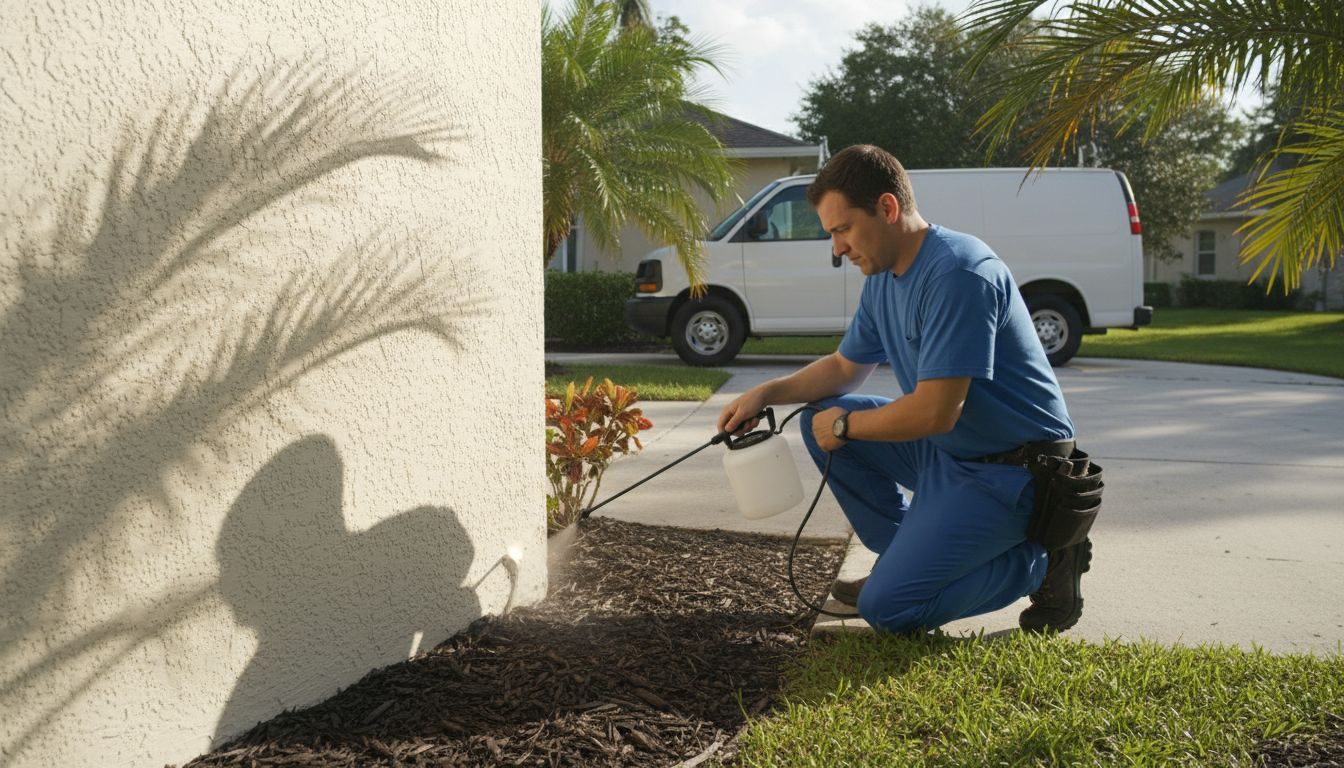
Here is the short answer: Google Ads works for pest control because most pest searches are urgent and local, but it only works if you treat it as an emergency-lead channel, not a branding channel. That means bidding on high-intent problem searches (roach, termite, rodent, bed bug, "exterminator near me"), blocking the enormous volume of do-it-yourself and product searches with negative keywords, sending every click to a fast landing page with a visible phone number, and tracking calls - not clicks - as the real result. Pest control is one of the more competitive local service categories, so the winner is usually not the biggest budget but the account with the tightest intent filtering.
- Pest searches are urgent - the company that answers the phone fastest usually wins the job.
- Most wasted spend in pest control accounts comes from DIY, product, and "how to get rid of" searches. Negative keywords fix that.
- Seasonality is real. Budgets should move with pest cycles, not sit flat all year.
- Track phone calls as conversions, or you are optimizing blind.
- The landing page decides whether a paid click becomes a booked service call.
Pest control searches are emergency searches
Someone who just saw a rat in the kitchen or found termite droppings on a windowsill is not researching. They are picking a company in the next few minutes. That single fact should shape the whole account.
Practically, it means speed and availability beat cleverness. Ads should say what you treat and how fast you can come out. Call assets should be on every ad. If your team answers the phone during the hours your ads run, you are already ahead of a lot of competitors whose calls roll to voicemail.
Not every pest is the same customer
Grouping all pests into one campaign is the most common structural mistake. A bed bug job, a termite inspection, and a monthly ant service have different urgency, different value, and different competition levels.
| Search type | What the searcher wants | How to handle it |
|---|---|---|
| Emergency pest (roaches, rodents, bees, bed bugs) | Someone out today or tomorrow | Highest bids, call-focused ads, own campaign |
| Termite / WDO inspection | An inspection, often tied to a home sale | Separate campaign, form plus call, longer follow-up |
| Recurring / preventive service | Ongoing protection, comparing providers | Lower bids, plan-focused messaging |
| Commercial pest control | A vendor for a restaurant, office, or property | Its own campaign - never mixed with residential |
Separating these lets you spend more where a job is worth more, and stop overpaying for clicks that turn into a one-time low-ticket visit.
Negative keywords are where most budget is saved
Pest control attracts a huge volume of searches from people who will never hire anyone. They want a spray from the hardware store, a home remedy, or a YouTube video. Every one of those clicks costs the same as a real customer.
At minimum, block search terms containing:
- DIY intent - how to get rid of, home remedy, natural, vinegar, baking soda
- Products - spray, trap, bait, powder, foggers, brand names of retail products
- Free and cheap - free, cheapest, free inspection (unless you genuinely offer it)
- Jobs - jobs, hiring, salary, exterminator school, license, certification
- Wrong service - wildlife trapping, lawn care, or anything you do not actually perform
- Research terms - pictures of, what does a termite look like, identification
Review the search terms report weekly for the first month, then at least monthly. This one habit does more for cost per lead than any bid adjustment.
Seasonality should move your budget
Pest demand is not flat. In South Florida, humidity, rain season, and swarm periods push different pests to the front at different times of year. A budget that sits at the same daily number all twelve months is either leaving leads on the table in peak weeks or wasting money in slow ones.
Track which pest terms rise and fall in your own account, and shift spend toward whatever is actually being searched that month.
Track calls, or you are guessing
Most pest control leads arrive as phone calls, not form fills. If your account only counts form submissions, you are optimizing toward the smaller half of your results.
Set up call conversion tracking for calls from ads and calls from the website, with a minimum call length so hang-ups do not count. Once real calls are feeding back into the account, automated bidding finally has something honest to learn from.
The landing page decides the outcome
Sending paid clicks to a homepage is a quiet budget leak. A homepage asks the visitor to navigate. A landing page asks them to call.
A pest control landing page should load fast on mobile, show the phone number at the top, name the specific pest from the ad, list your service area, and prove you are a real local operation. Match the page to the search - a rodent ad should land on a rodent page, not a general pest page.
Local targeting in South Florida
Radius targeting around a single point is rarely right for a service business. Target the areas you actually service and can reach quickly - places like Fort Lauderdale, Miami, Boca Raton, Coral Springs, Pompano Beach, and Coconut Creek each behave differently in cost and competition.
Set location targeting to people in your service area, not people merely interested in it, and check the location report to see which cities produce booked jobs instead of just clicks.
Paid search is not the only place Florida service searches are happening - a growing share now get answered directly by AI tools before a click ever reaches Google Ads. See Booking AEO in Florida: What to Know First for what that shift means for local service businesses in the same area you are targeting here.
What to expect in the first weeks
New campaigns need data before they perform. Expect an early period where you are mostly cutting waste - adding negatives, pausing weak match types, fixing tracking - before cost per lead settles. Judging an account after a handful of days usually leads to shutting down something that was about to work.
Get a second set of eyes on your account
Cyticx has been building and managing paid search for local service businesses since 2005, and pest control follows the same rules as every other urgent-demand trade: intent first, waste out, calls tracked, landing page tight. Plumbing is a good example of that same pattern - see Google Ads for Plumbers: What to Know First for how the same urgent-search approach plays out in a different trade. If you want your pest control campaigns reviewed or rebuilt properly, contact Cyticx and we will look at what is actually happening in your account.
Frequently Asked Questions
It is worth it when pest searches in your area are urgent and you can answer the phone during the hours your ads run. Pest control is a high-intent category - people search when they have a live problem. The risk is not the channel, it is running it loosely: broad keywords, no negative keywords, no call tracking, and clicks sent to a homepage.
Start with the searches that describe an active problem plus a location or 'near me' - roach exterminator, rodent control, bed bug treatment, termite inspection, pest control near me. Add your specific services from there. Avoid starting on broad, informational terms like 'pest control' alone until you have negative keywords and conversion tracking in place.
Build a negative keyword list before launch and review the search terms report weekly. Block DIY phrasing (how to get rid of, home remedy, natural), retail products (spray, trap, bait, powder), job seekers (jobs, salary, license), and identification searches (pictures of, what does it look like). This is where the largest share of wasted pest control spend usually hides.
A dedicated landing page. The homepage asks a visitor to choose where to go next; a landing page asks them to call. Match the page to the ad - a bed bug ad should land on a bed bug page with the phone number at the top, your service area listed, and a fast mobile load time.
Track phone calls as conversions with a minimum call duration, then compare the call count to jobs actually booked. If calls look healthy but bookings do not, the gap is usually at the phone - missed calls, long holds, or no address collected - not in the ad account.
Have a question about this? Call (954) 621-2381 or get in touch.